Atelier de Código
  • Home
  • About
  • Contact
  • Blog
  • SPA
  • ENG

Blog


What is Machine Learning?

Machine learning is not a black box that produces automatic answers, but a modeling process where each decision reflects assumptions worth understanding. This post explains what happens when a system learns from data, how a model is built, and why interpretation remains central, even when the algorithm does the heavy lifting.

Apr 11, 2026
Atelier de Código
 

Why we insist on writing code from scratch (and not copy-pasting it)

Why is it beneficial to write code by hand when learning to program? This post draws on contributions from educational sciences and cognitive psychology to explain how error, effort, and active practice foster a deeper understanding of code.

Apr 1, 2026
Atelier de Código
 

Tools for Statistical Analysis: A Possible Map

What tools exist for statistical analysis? When is it best to use each of them? This post offers a general overview of the main tools used for statistical analysis, discussing their advantages and disadvantages, and concludes with a specific discussion on when it is (and is not) advisable to use R.

Jan 30, 2026
Atelier de Código
 

What is object-oriented programming and why is R considered an object-oriented language?

What does it mean for a language to be object-oriented? This post introduces the concept of object-oriented programming and explains how R implements this logic through classes, objects, and methods in daily data work.

Jan 29, 2026
Atelier de Código
 

What is Data Science and Why All the Interest?

What is data science and where does it come from? This post explores its origin, its link to statistics and big data, and analyzes why more and more people are approaching this field from diverse analytical traditions.

Jan 28, 2026
Atelier de Código
 

6 Essential Books for Learning Data Science

Five books available online for free for an introduction and in-depth study of data science, from fundamentals and communication to programming with R and applied statistics.

Jan 27, 2026
Atelier de Código
 

Grammar of Graphics

What do statistical graphics have in common? This post introduces the idea of the grammar of graphics and shows how ggplot2 allows thinking of visualization as a language composed of explicit analytical decisions.

Jan 26, 2026
Atelier de Código

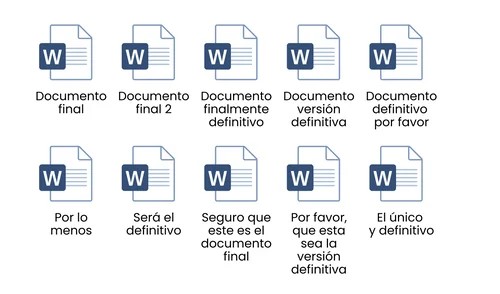
An image of a folder containing Word files named

RStudio Projects and Version Control: Working Without Getting Lost in Files

Working with loose files and duplicated versions leads to confusion, especially in collaborative projects. This post introduces the use of RStudio projects combined with version control in GitHub and proposes a more organized and reproducible workflow.

Jan 24, 2026
Atelier de Código

Meme showing two Spidermen pointing at each other.

Reproducibility: why it matters and what it has to do with good programming

What does it mean for an analysis to be reproducible and why does it matter? This post explains the idea of reproducibility in science and shows how good programming practices help support clear, verifiable, and easy-to-resume analyses.

Jan 22, 2026
Atelier de Código

Working with projects in RStudio: organizing your work from the start

What does it mean to work with projects in RStudio and why is it advisable to do so from the beginning? This post explains what projects are for and shows step-by-step how to create and use one in practice.

Jan 22, 2026
Atelier de Código

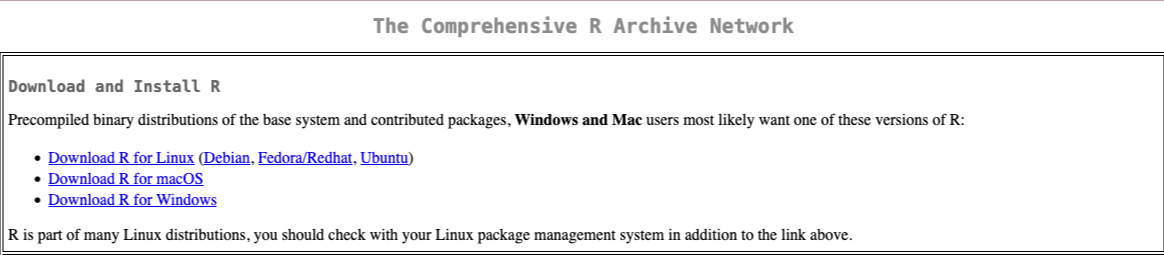
Fragment of CRAN website with links to download R

Getting Started with R: Installation and First Steps

How to start with R from scratch? This post explains step-by-step how to install R and RStudio, how to install and load the Tidyverse, and what to check to ensure everything is working correctly.

Jan 22, 2026
Atelier de Código

Image of an empty console.

Console and Script: Two Ways to Write Code in R

Console and script serve different functions in R. This post clearly explains what each is for, when to use them, and how they complement each other in daily work.

Jan 21, 2026
Atelier de Código

R base, packages, and Tidyverse: what we talk about when we use R

What is R base, and what changes when we use packages? This post explains R’s modular structure, introduces the role of packages, and dedicates a section to the Tidyverse as a set of tools with its own philosophy for working with data.

Jan 20, 2026
Atelier de Código
 

R for the Humanities: Why Learn to Program?

Why learn to program from the social sciences and humanities? This post proposes thinking about R as a language for analysis and writing, shows simple examples of commented code, and presents programming as a situated practice of knowledge production.

Jan 18, 2026
Atelier de Código
 

Integrated Development Environments (or IDEs, for friends)

What is an IDE and why does it matter when starting to program in R? This text introduces the concept of an integrated development environment, explores common IDEs, and focuses on RStudio as a workspace designed for academic analysis. An invitation to understand the environment as a mediator between code, data, and research practices.

Jan 17, 2026
Atelier de Código
 

R: A Language Born to Think with Data

What does programming have to do with reading, interpreting, and producing knowledge in social sciences and humanities? This text proposes an entry into R from its history and academic uses, showing how its design, its function-based logic, and its package ecosystem interact with familiar analytical practices. More than a technical introduction, it is an invitation to read code as language and to think of programming as a situated research practice.
Jan 17, 2026
Atelier de Código
No matching items